Pharmacy and Medication: Practical Guides for Buying, Alternatives & Safety
Need straight answers about prescriptions, online pharmacies, or drug alternatives? This category collects clear, practical posts to help you make safer choices without medical jargon. You’ll find how-to guides for ordering meds online, comparisons of alternatives, and real-world tips for avoiding scams and harmful interactions.
Find and buy meds safely online
Shopping for prescription drugs online can save time and money, but the risk is real. Look for pharmacies that require a valid prescription, show a physical address, and have verifiable contact info. Avoid sites that offer prescription-only drugs without a prescription or pressure you to buy large quantities.
Check reviews from independent sources, not just the site’s testimonials. Reliable pharmacies often display third-party seals or a regulatory license number you can verify. If prices look too good to be true for brand-name meds, that’s a red flag — counterfeit pills happen.
When you order, read shipping and return policies. Track your package and inspect the packaging on arrival. If pills look odd — wrong color, size, or smell — stop using them and contact your provider. For specific how-to pieces, see articles like “How to Buy Nasonex Online Safely” and seller reviews such as “Online Pharmacy canadian-medshop-247.com.”
Alternatives, interactions, and smarter choices
Sometimes your prescription isn’t available or causes side effects. That’s when alternatives matter. We cover safe substitutes for common drugs — for example, alternatives to Priligy, Valtrex, or Topiramate — and explain when they might work better for you. Each alternative article lists pros, cons, and what to discuss with your doctor.
Drug interactions are another area where small mistakes have big consequences. Our guides break down common interactions, like those involving amlodipine, and give clear signs to watch for. If you take multiple meds, carry an updated list and review it with your pharmacist at each refill.
For specific conditions, you’ll find targeted advice: blood pressure meds like Lisinopril, diabetes options replacing pioglitazone, and COPD inhaler choices instead of Breo Ellipta. Dental and infection-focused pieces explain antibiotic swaps when a standard drug like Flagyl or Keflex isn’t an option.
We also cover everyday concerns: hair-loss treatments, topical side effects like minoxidil-related dandruff, and cardiovascular notes for antiviral drugs. Every post aims to answer the questions people actually ask — cost, safety, side effects, and how quickly a change will show results.
Use these articles as a starting point, not a final prescription. Talk to your doctor or pharmacist before changing meds. If you want a quick read, start with “Where and How to Buy Lisinopril Online Safely” or explore alternatives lists such as “Top Valtrex Alternatives in 2025.”
Browse the category to find step-by-step shopping tips, comparison lists, and interaction guides that make sense. If you’re unsure where to start, search for your drug name or problem area — chances are we’ve covered it with practical, no-nonsense advice.

Global Generic Drug Policies: How Different Countries Manage Affordable Medicine
Explore how global policies and international practices shape the generic drug market, from China's bulk procurement to the US's high competition and EU's regulatory hurdles.

Preventing Medication Errors During Care Transitions and Discharge
Explore critical strategies for preventing medication errors during patient care transitions, focusing on reconciliation, technology limitations, and pharmacist-led interventions.

Protein Shakes and Levothyroxine: Morning Dose Timing Tips
Discover why protein shakes interfere with levothyroxine absorption and learn the critical 4-hour timing rule to stabilize your thyroid levels.

Rheumatoid Arthritis: How Biologic DMARDs Can Lead to Disease Remission
Biologic DMARDs have transformed rheumatoid arthritis treatment, offering real disease remission for 20-50% of patients. Learn how these targeted therapies work, which ones are most effective, and what it takes to make them work for you.
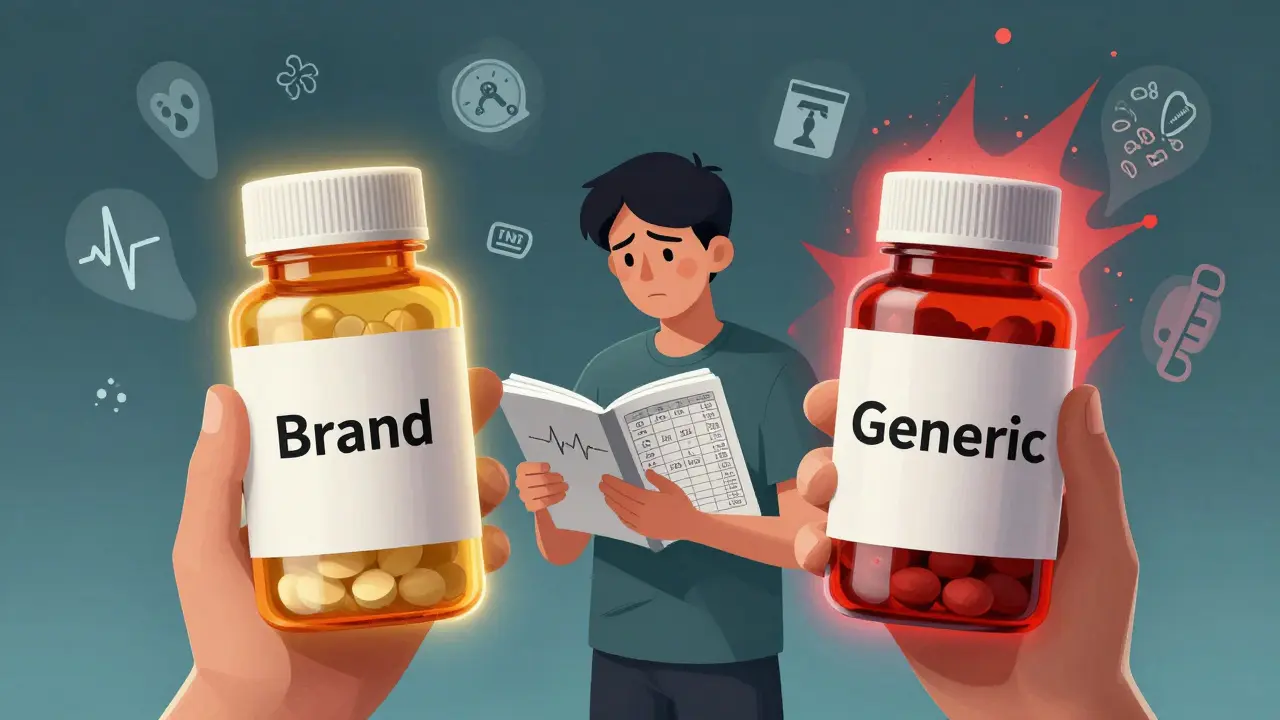
How to Talk to Your Doctor about Staying on a Brand Medication
If switching to a generic drug caused side effects or made your condition worse, you have the right to stay on your brand medication. Learn how to talk to your doctor with evidence, not emotion, and navigate insurance hurdles to keep your treatment stable.
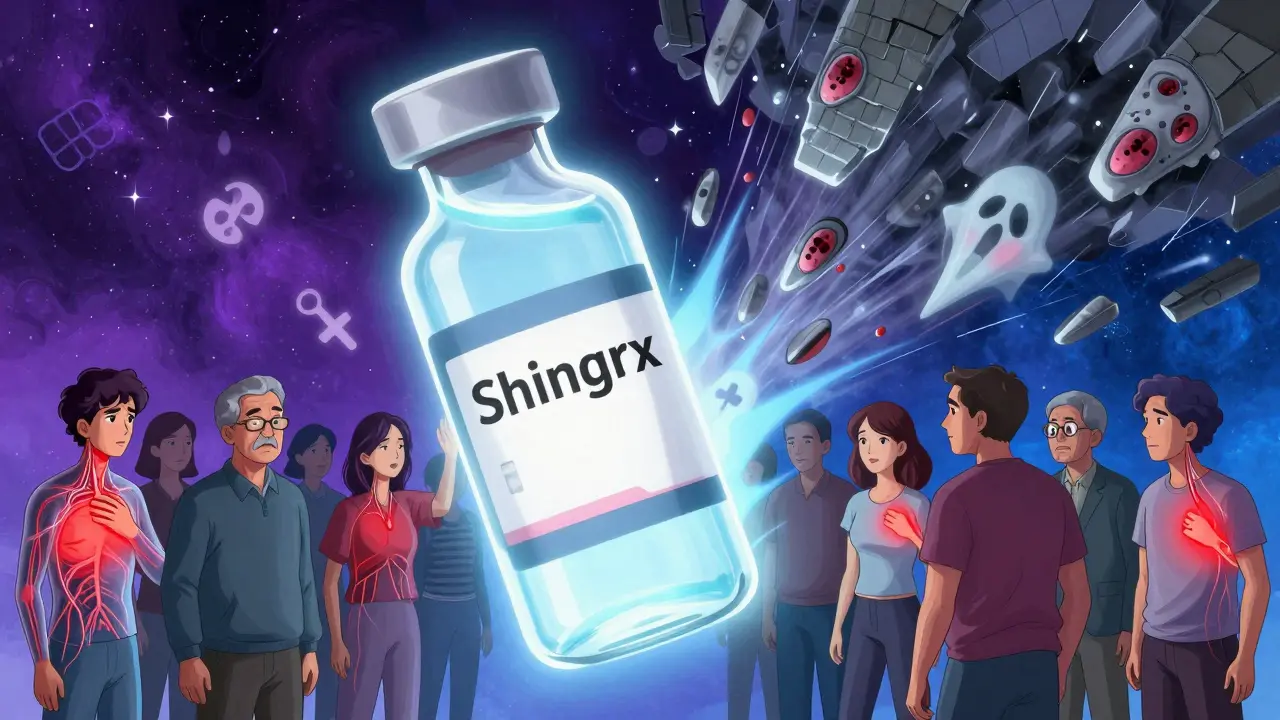
Shingles Vaccination: Who Should Get the Recombinant Zoster Vaccine
Shingrix is the only shingles vaccine recommended today. It's over 90% effective, safe for immunocompromised adults as young as 19, and covered by most insurance. Learn who should get it and why.

Antihistamines and Dementia Risk: What You Need to Know About Long-Term Use
First-generation antihistamines like Benadryl may increase dementia risk with long-term use in older adults. Learn how second-gen alternatives and non-drug options can protect brain health.

International Patent Expiration: Different Timelines Worldwide
Patent expiration varies globally due to legal differences, extensions, and maintenance fees. While the standard term is 20 years from filing, real expiration dates can differ by years between countries - especially for pharmaceuticals.
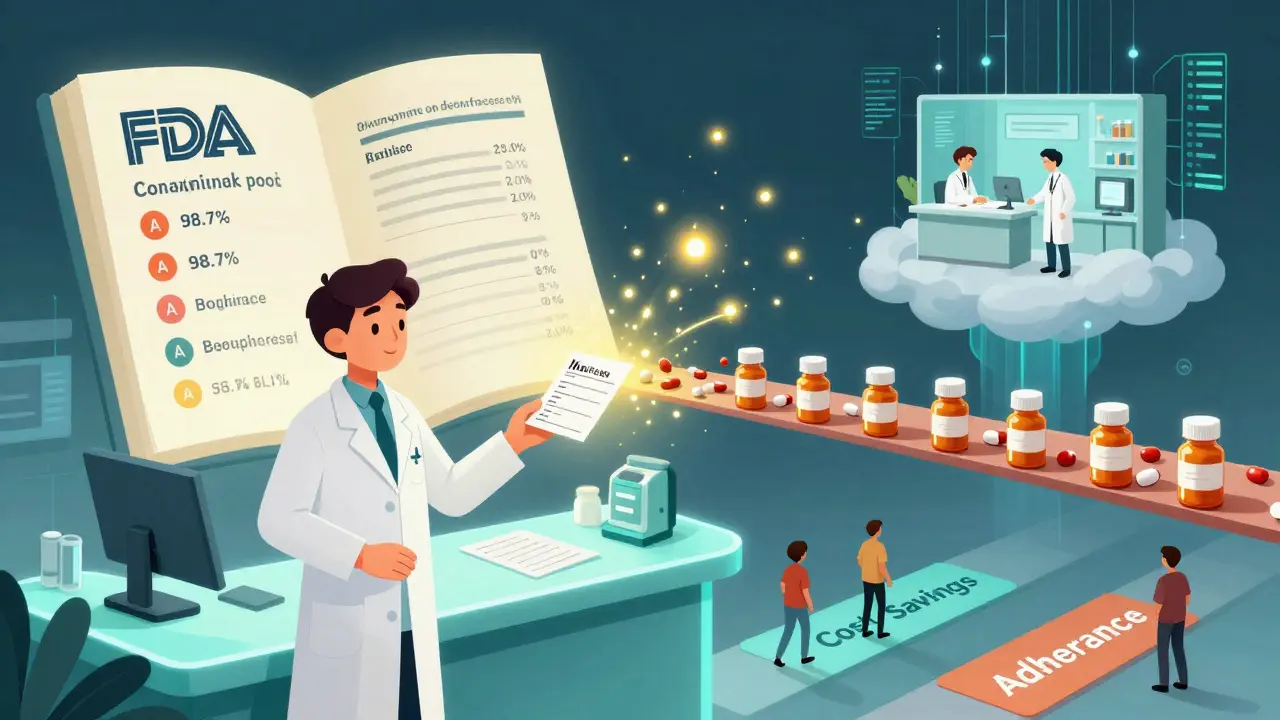
How Pharmacists Communicate with Prescribers When Recommending Generic Medications
Pharmacists play a key role in recommending generic drugs to prescribers, improving adherence and cutting costs. Learn how they use evidence, tools, and clear communication to ensure safe, effective substitutions.
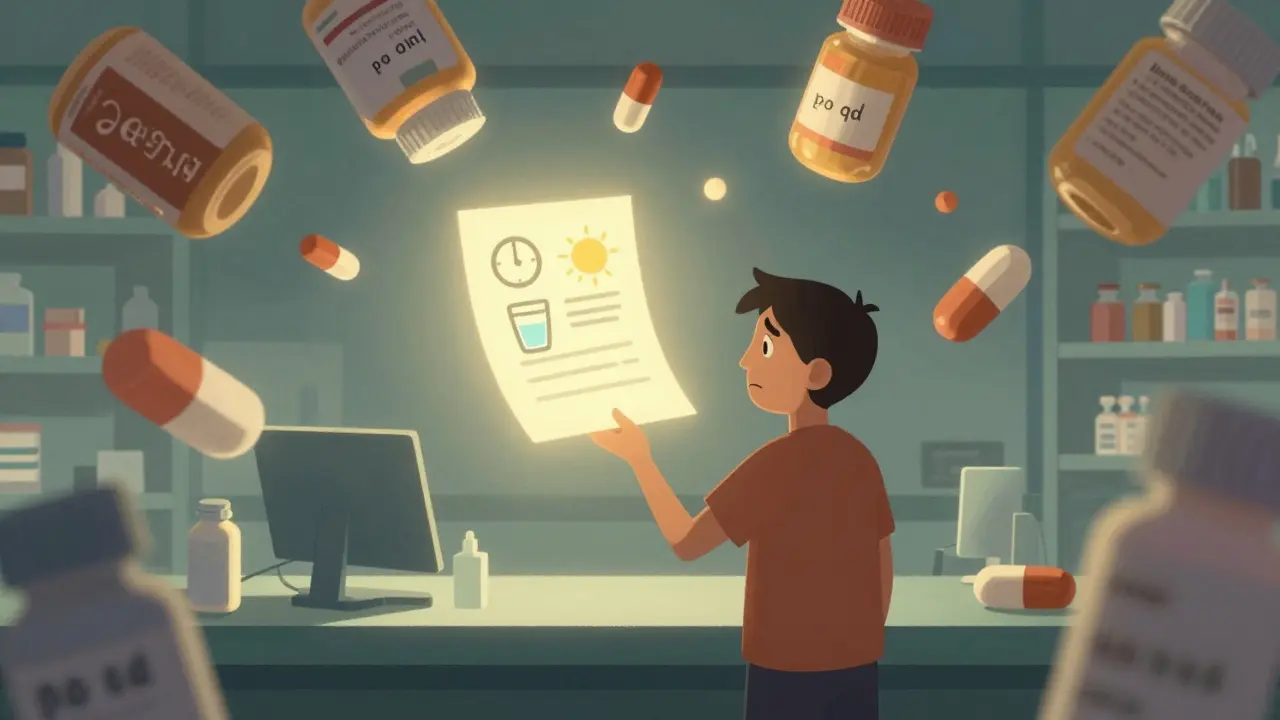
How to Request Written Medication Instructions You Understand
You have the right to written medication instructions you can understand. Learn how to ask for clear, simple, visual guides from your pharmacist - backed by patient rights, research, and real success stories.