Archive: 2026/02
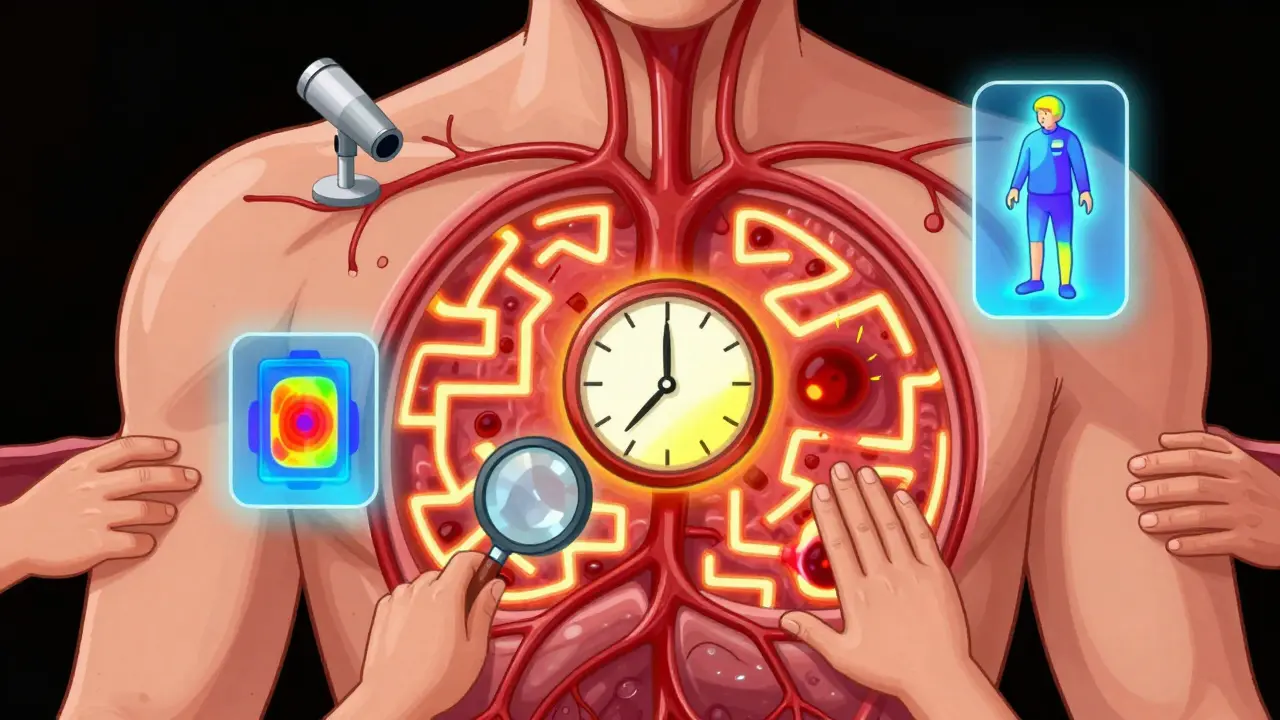
Melanoma: Early Detection and Immunotherapy Treatment
Melanoma survival rates soar when caught early. Learn how AI tools, wearable patches, and immunotherapy are transforming detection and treatment-before it's too late.
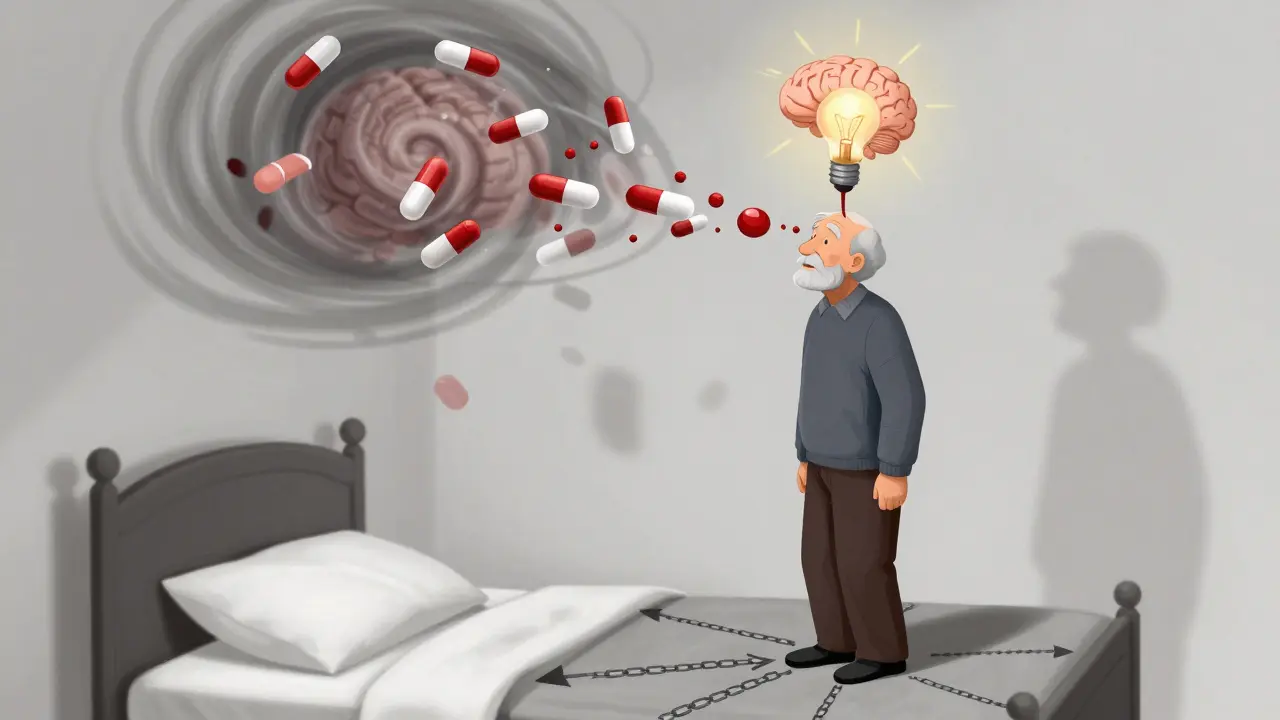
Orthostatic Hypotension from Medications: Why You Feel Dizzy When Standing Up
Dizziness when standing up isn't normal-it's often caused by common medications. Learn which drugs trigger orthostatic hypotension, how to recognize it, and what steps you can take to reduce the risk of falls and injury.
REMS Programs Explained: How the FDA Manages High-Risk Medications
REMS programs are FDA-mandated safety systems for high-risk medications. They require special training, registries, and monitoring to prevent serious side effects. Learn how they work, why they cause delays, and how they're changing.
Generational Differences: How Age Shapes Attitudes Toward Generic Medications
Generational attitudes toward generic medications vary widely: Boomers trust brands, Gen Z prioritizes price, and Millennials are caught in between. Science says generics are identical - but psychology tells a different story.
How to Monitor Kidney Function for Safe Senior Dosing
Safe medication dosing for seniors depends on accurate kidney function assessment. Learn which equations to use, why creatinine alone fails, and how to avoid dangerous dosing errors in older adults.
Tapering Opioids Safely: How to Reduce Side Effects and Avoid Withdrawal
Tapering opioids safely means reducing your dose slowly to avoid dangerous withdrawal and overdose. Learn the CDC-recommended timeline, symptoms to expect, medications that help, and how to work with your doctor for the best results.
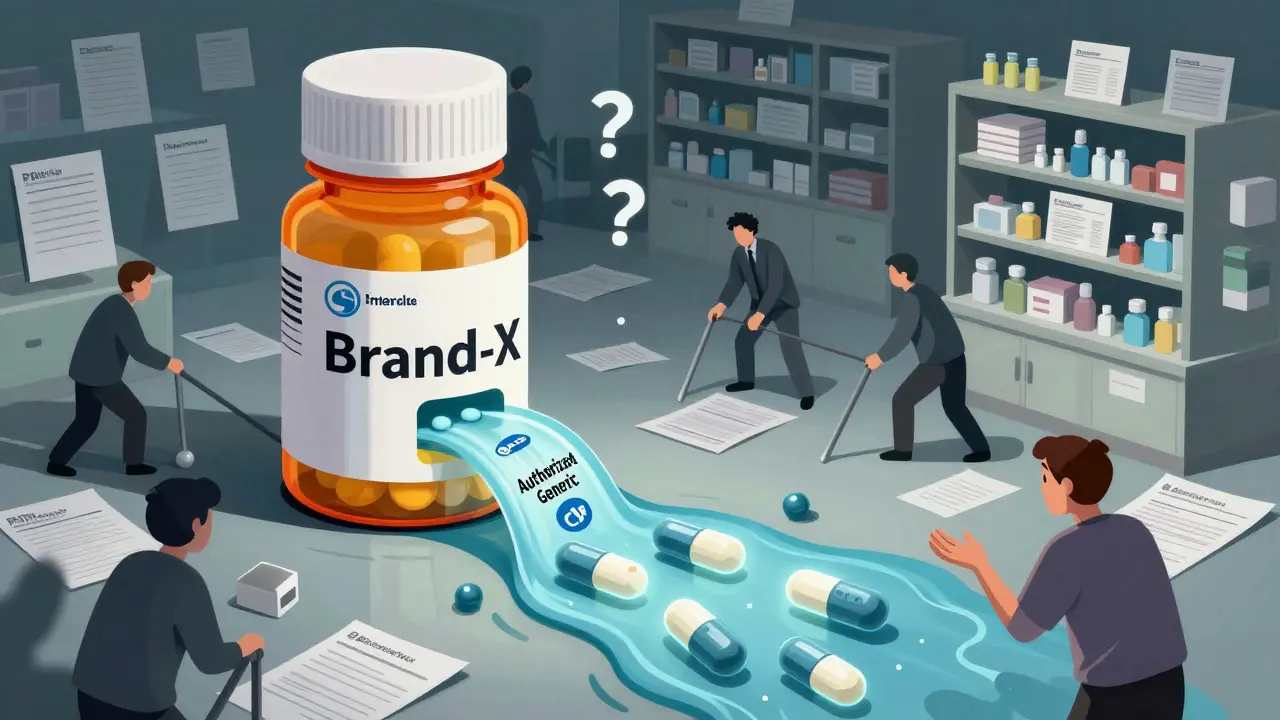
Do Patients Really Choose Authorized Generics? What the Data Shows
Authorized generics are identical to brand-name drugs but sold at lower prices. Studies show patients prefer them over traditional generics due to consistent quality-yet most never know they're an option. Here's what the data says about real choices.
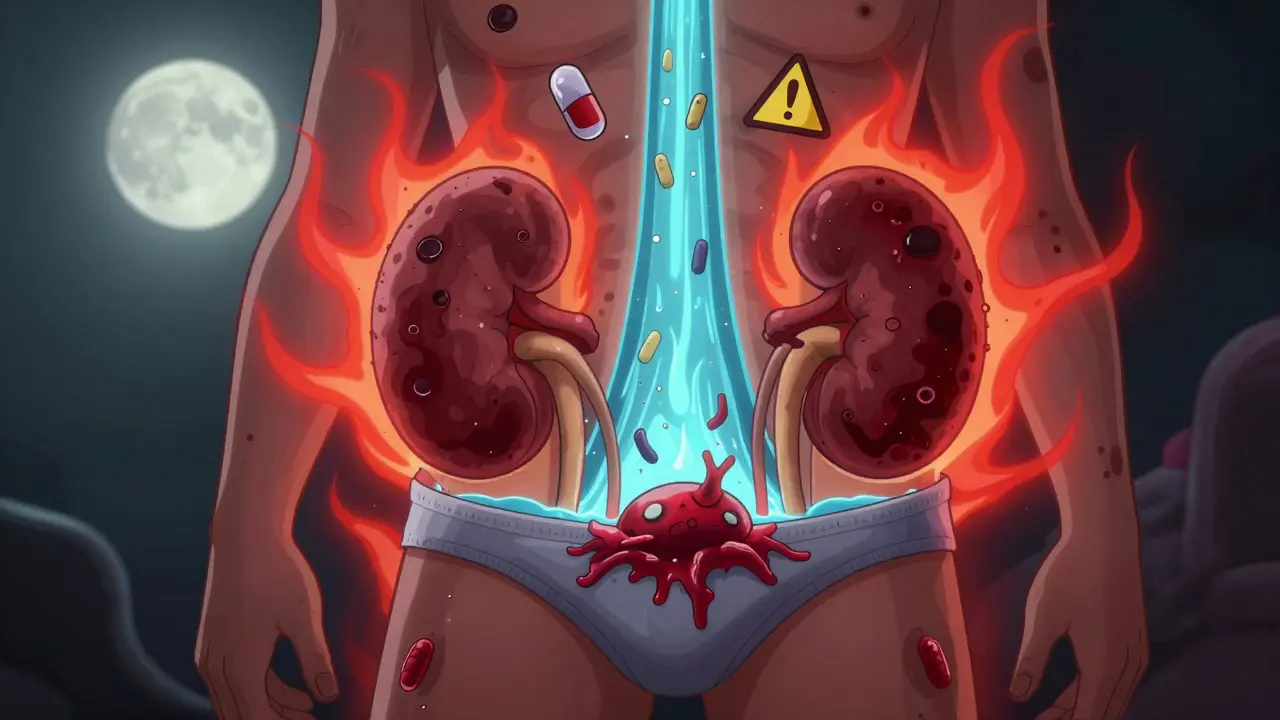
SGLT2 Inhibitors and Fournier’s Gangrene: Early Warning Signs and What to Do
SGLT2 inhibitors help manage diabetes but carry a rare risk of Fournier’s gangrene - a life-threatening infection. Learn the early warning signs and what to do immediately if you notice them.
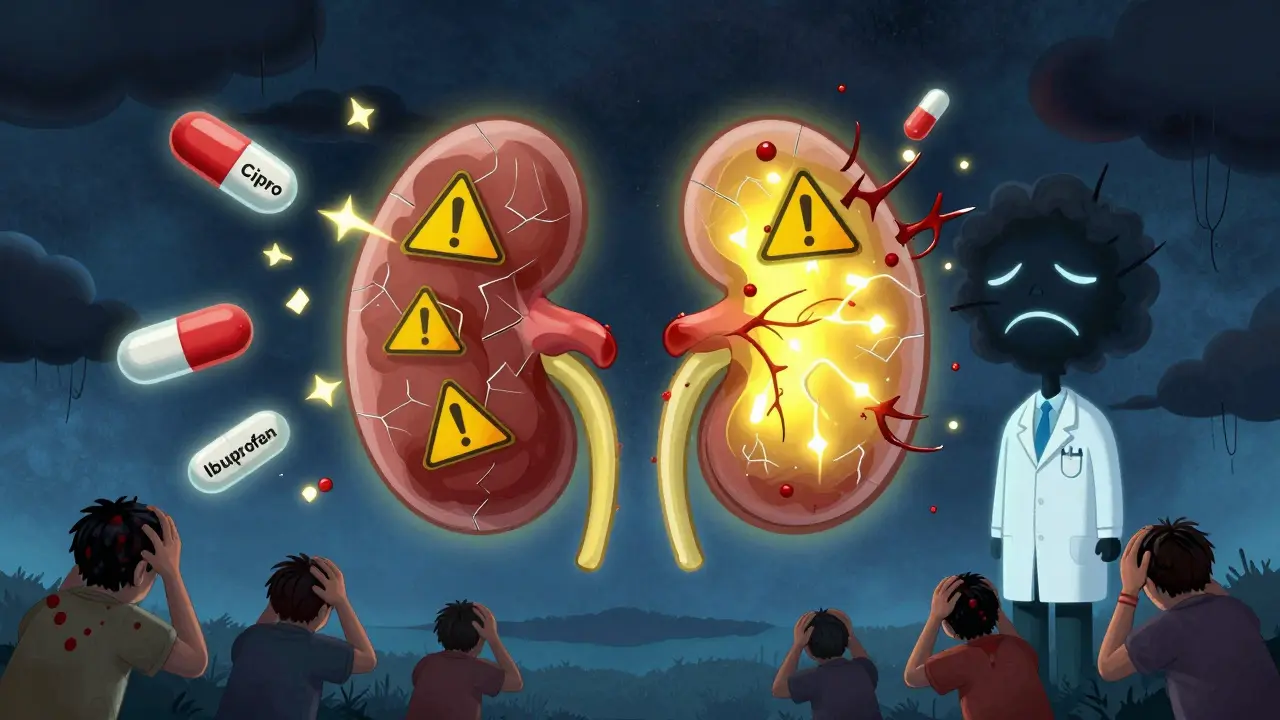
Fluoroquinolone Antibiotics and NSAIDs: Increased Neurologic and Renal Risks
Combining fluoroquinolone antibiotics with NSAIDs significantly raises the risk of kidney injury and neurological damage. Learn why this drug combo is more dangerous than it seems-and what safer alternatives exist.
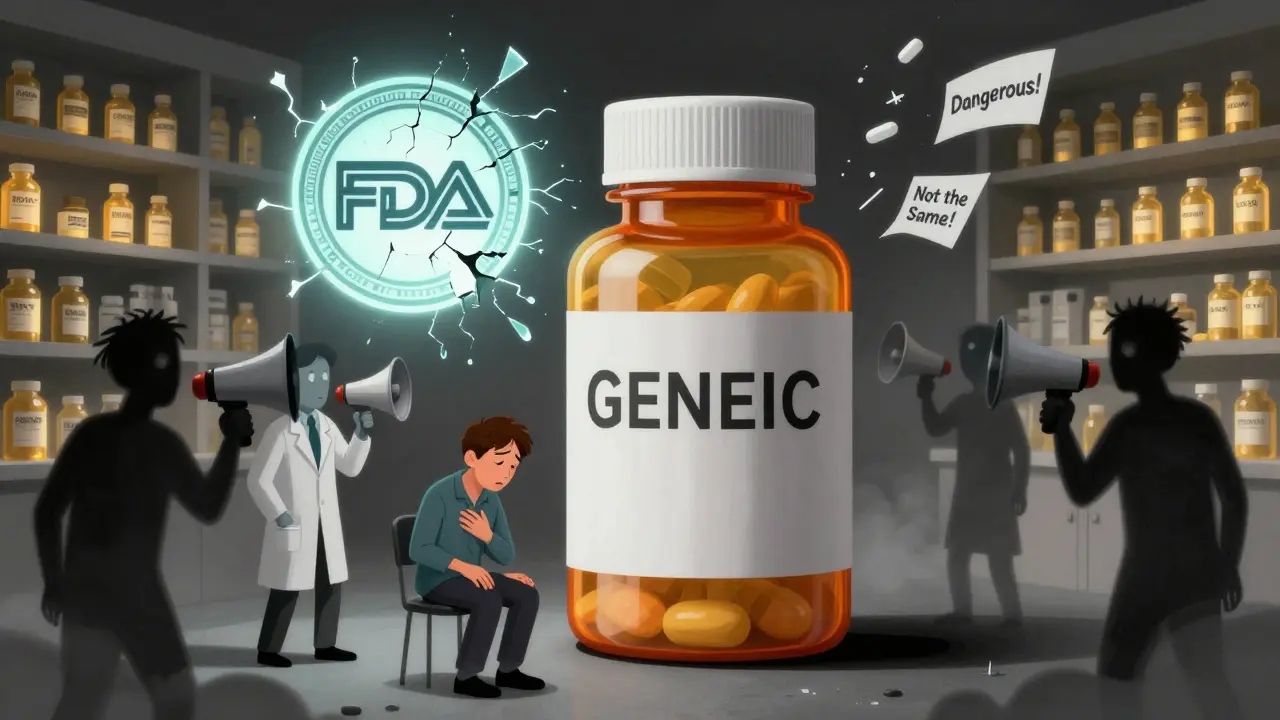
False Advertising in Generics: Legal Risks and Rules You Need to Know
False advertising in generic drugs misleads patients into avoiding safe, affordable medications. Learn the legal risks, FDA rules, and real health consequences behind deceptive marketing practices.